- Teacher: Alvin Aribe
- Teacher: Chua Christine Lorraine Balibadlan
- Teacher: Emely Dicolen
- Teacher: Nemuel Fajutagana
- Teacher: Ma. Elizabeth Grageda
- Teacher: Claire Pastor
- Teacher: Monica Walet
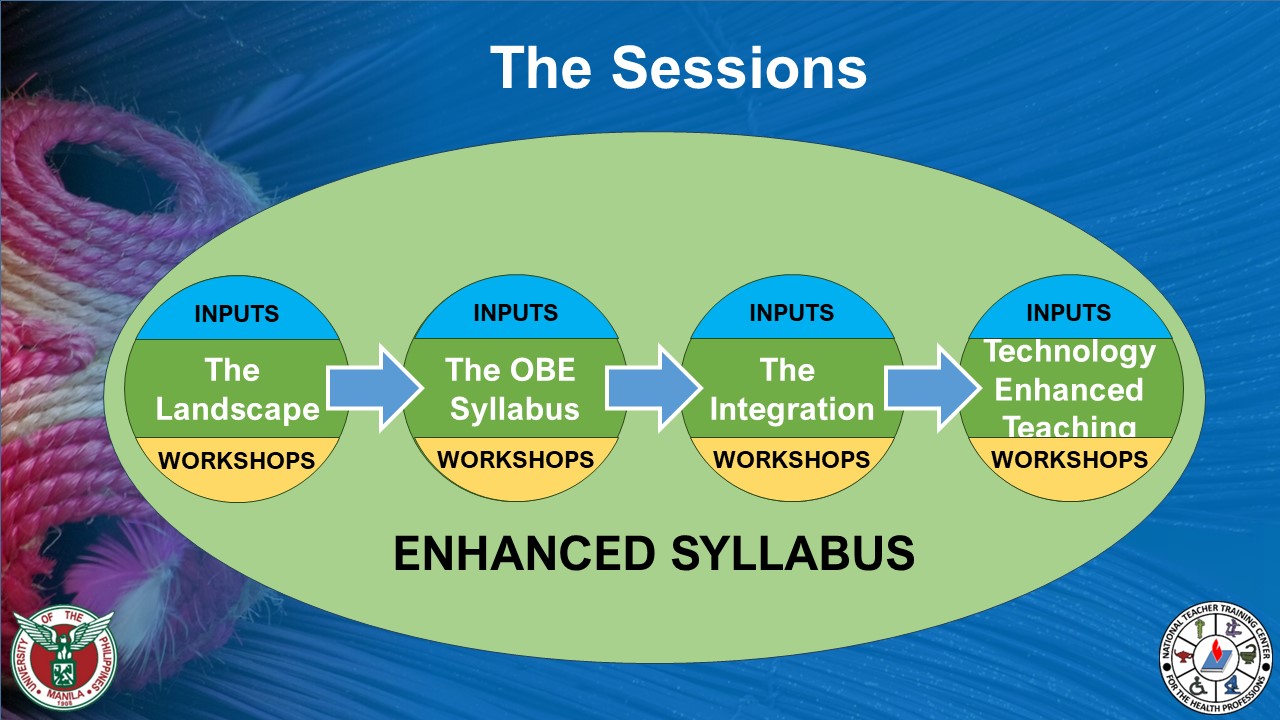
A two-day face-to-face workshop that highlights the current trends in health professions education and explores concrete ways to use technology to enhance teaching and assessment. Challenges and opportunities that come with the emergence of artificial intelligence and new applications will also be discussed. Best practices by selected programs will be presented in a symposium. Participants will be coached in incorporating technology and AI in their courses to improve teaching and assessment of student achievement.

This is the learning management system for the 2022 IUW on Test Construction
This site contains modules, resources, and portal for uploading of outputs of participants of the training for trainers. This program is conducted through blended mode, with scheduled synchronous and face-to-face sessions and the rest being carried out through asynchronous mode using the materials in this learning management system. Facilitators will give feedback to help participant to improve their outputs.
The HPEd Expo serves as the culminating activity of all NTTCHP students and faculty at the end of a school year. It features resource persons who share their insights on a given theme, conversations with faculty and students, and presentations of best works described as part of the year’s harvests of the college. This year’s theme is “HPEd in the Midst of Universal Health Care and Covid19.” The expo will be available synchronously on 2 July 2020 from 10:00 am to 12:00 noon and will be available in NTTCHP’s official sites until 10 July 2020.
Objectives: Upon completion of this online seminar, NTTCHP faculty, students, and staff will be able to:
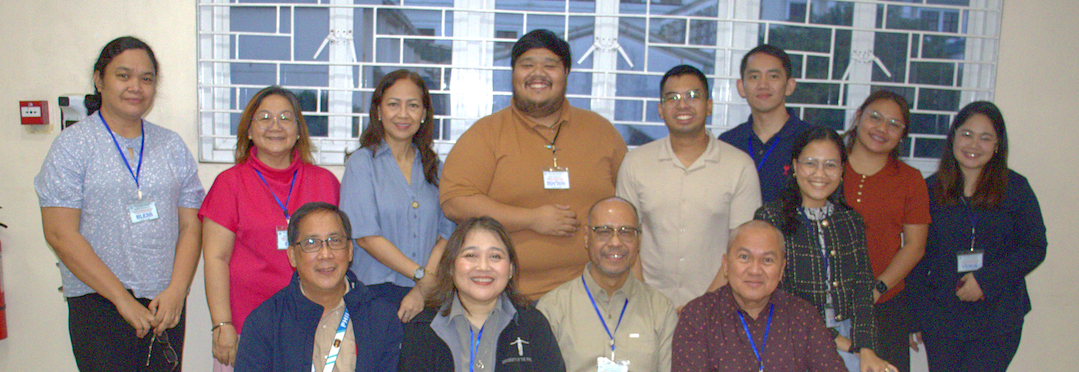
This is a temporary site for the November 23-24, 2023 Faculty Development.
To be filled up

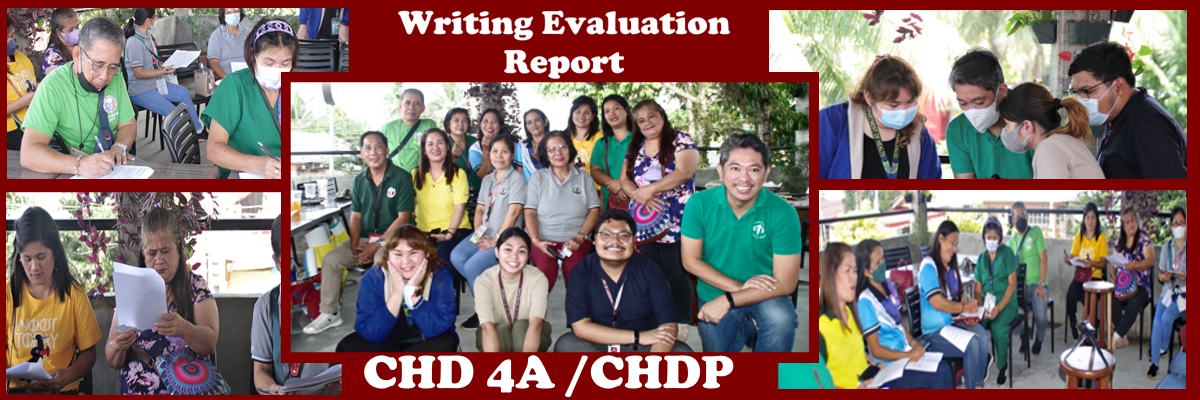
This is part of Phase two of the "Scaling up of Centers for Health Development Capacity in Operations and Implementation Research."


LMS for Writeshop
The Alma Ata Declaration affirming the role of Primary Health Care in achieving ‘Health for All’ has had significant influence on the education of health professionals. One of the most significant is the introduction of community based /oriented educational programs both at the undergraduate and postgraduate programs.
In the Philippines, the Commission on Higher Education (CHED) requires all health profession education courses to have a community based or community rotation subjects. These subjects range from one week to as long as six months rotation.
Research in health professions education affirms the role of early community exposure in developing positive attitude towards patients, good interpersonal skills.
However, while community based education has been institutionalized, there are not enough teacher prepared to manage community based education programs.
Successful implementation of community based education requires a cadre of health professions educators who are not only expert in their chosen health professions but are also equipped with competencies needed to design, implement, and evaluate community based education courses for students in the health professions.


This module will provide users with guidelines on how to prepare case scenarios to be used for different types of training simulations. The module will start with a quick discussion on the critical role that case scenarios will play in ensuring deep learning and critical decision making of students. Decision making is not limited to making clinical decisions but also on making decisions as to what additional procedures (for example continuing with CPR, performing additional PE procedures, or seeking additional patient information) should be done, all these while in a simulated situation. This will then be followed by a step-by step discussion of the case scenario development process, from concept mapping to case scenario and eventually the preparation of a complete case scenario package. This module immediately follows the module on Designing SBEs.